
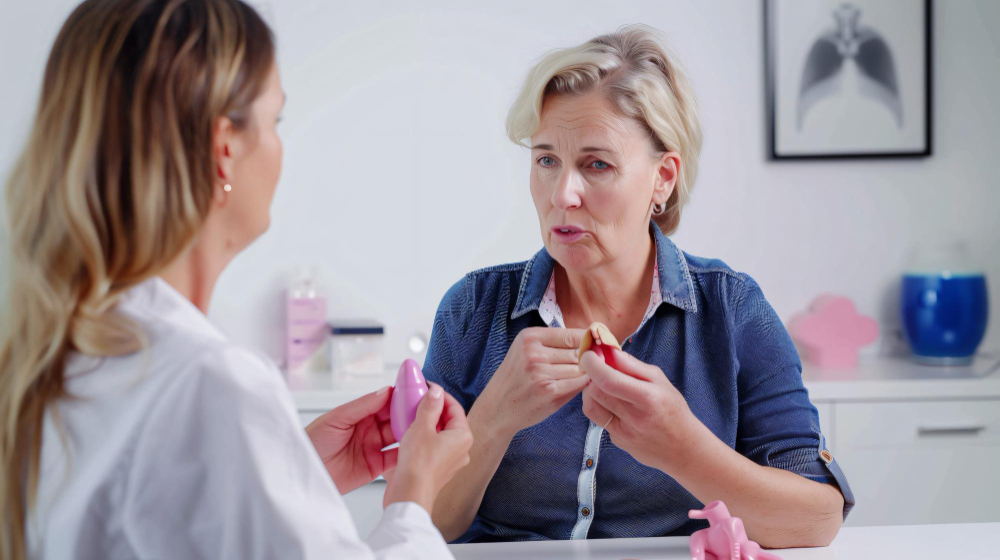
Many women worry when they notice vaginal bleeding after menopause. This means any bleeding that happens a year or more after your last period. While this can be scary, it is important to know the facts. Understanding vaginal bleeding after menopause helps you make safe choices for your health. In the United States, experts say any postmenopausal spotting or bleeding should be checked by a doctor. Early care can help find the cause and guide treatment.
What Is Vaginal Bleeding After Menopause?
First, menopause marks the end of your periods. It usually happens between ages 45 and 55. After you have gone 12 months without a period, you are considered postmenopausal. Any bleeding that occurs after this time is called postmenopausal bleeding. For example, you might see light spotting or heavier flow. Even a small amount of blood should not be ignored. Since menopause health is important, always pay attention to these changes.
Common Causes of Vaginal Bleeding After Menopause
There are several reasons for postmenopausal bleeding. Some causes are minor, but others can be serious. Knowing the possible reasons helps you understand what to expect. Here are some common causes:
Because some causes are serious, it is important to get checked. According to the CDC, about 10% of women with postmenopausal bleeding may have endometrial cancer.
When to Consult a Gynecologist
Any vaginal bleeding after menopause should be discussed with a gynecologist. Even if the bleeding is light or only happens once, it is best to get medical advice. For example, you should see a doctor if you notice:
Because early detection is key, do not wait to seek help. In many cases, quick action can lead to better outcomes. If you are unsure when to see a gynecologist for bleeding, remember that any postmenopausal spotting is a reason to call your provider near you.
Diagnosis and Medical Evaluation
When you visit your gynecologist, they will ask about your symptoms and medical history. Next, they may do a pelvic exam to check your vagina, cervix, and uterus. In addition, tests may include:
Because these tests help find the cause, your doctor can suggest the right treatment. According to the American College of Obstetricians and Gynecologists, these steps are standard for postmenopausal bleeding causes.
Treatment Options
Treatment depends on the cause of bleeding. Your gynecologist will explain your options. For example, if dryness is the cause, you may use vaginal moisturizers or estrogen creams. If polyps are found, they can often be removed in a simple procedure. In some cases, hormone therapy may need adjustment. If an infection is present, antibiotics can help. For endometrial hyperplasia or cancer, further treatment may include surgery or other therapies. Because every woman is different, your doctor will guide you based on your needs.
Prevention and Lifestyle Guidance
While not all causes of vaginal bleeding after menopause can be prevented, some steps may help. For instance, you can:
Because menopause health is important, these habits support your well-being. In the United States, regular screenings and early care can make a big difference. Always talk to your provider if you have concerns about postmenopausal bleeding or spotting.