
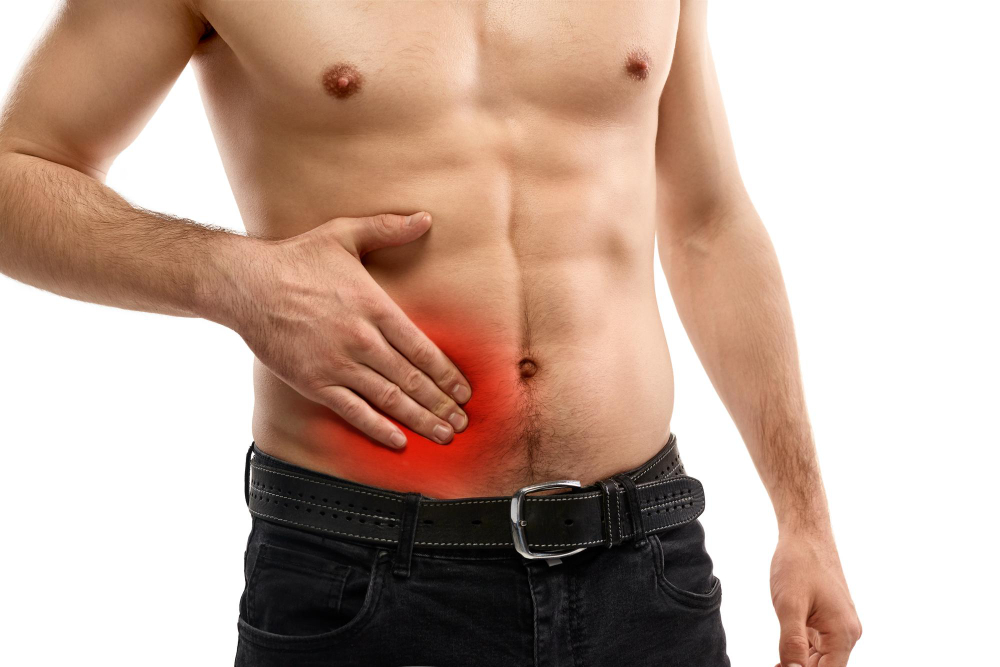
What is an Inguinal Hernia?
An inguinal hernia happens when tissue pushes through a weak spot in the lower belly. Often, a bulge appears in the groin area. This bulge can be soft and may get bigger when you cough or stand. Because the groin is a common place for hernias, many people notice swelling there. According to the World Health Organization, inguinal hernias are one of the most common types of hernias worldwide.
Common Symptoms of Inguinal Hernia
Usually, the first sign is a small lump or bulge in the groin. However, other symptoms can also appear. For example, you might feel pain or pressure in the area. Sometimes, the bulge gets worse when you lift something heavy. In some cases, the bulge may go away when you lie down. Here are common inguinal hernia symptoms:
Importantly, not all hernias cause pain. Yet, any new bulge should be checked by a doctor.
Causes: Why Does a Bulge Form in the Groin?
Many people wonder about groin bulge causes. Inguinal hernias form when part of the intestine or fat pushes through a weak spot in the muscle wall. Because the groin area has natural weak points, it is more likely to develop hernias. Several reasons can make this happen:
For some people, the weakness is present at birth. Others develop it over time. As a result, the bulge appears when pressure inside the belly increases.
How Inguinal Hernias Are Diagnosed
Doctors can often diagnose an inguinal hernia with a simple exam. During the visit, your doctor will check for a bulge in your groin. Sometimes, you may be asked to cough or stand to make the bulge more visible. In some cases, imaging tests like an ultrasound or CT scan help confirm the diagnosis. According to the CDC, early diagnosis can prevent complications.
Treatment Options for Inguinal Hernia
Once a hernia is found, your doctor will discuss inguinal hernia treatment choices. Not all hernias need surgery right away. However, surgery is the only way to fix the weak spot in the muscle wall. Treatment options include:
In many cities, like New York or London, inguinal hernia treatment is widely available. If the hernia causes pain or gets larger, surgery is usually recommended. Most people recover quickly after surgery and can return to normal activities soon.
Prevention Tips and Lifestyle Guidance
Although not all hernias can be prevented, you can lower your risk. For instance, keeping a healthy weight helps reduce pressure on your belly. Here are some tips to help prevent inguinal hernias:
Because hernias can come back, following these tips may help protect your health. If you notice a new bulge or pain in your groin, see your doctor for advice.