
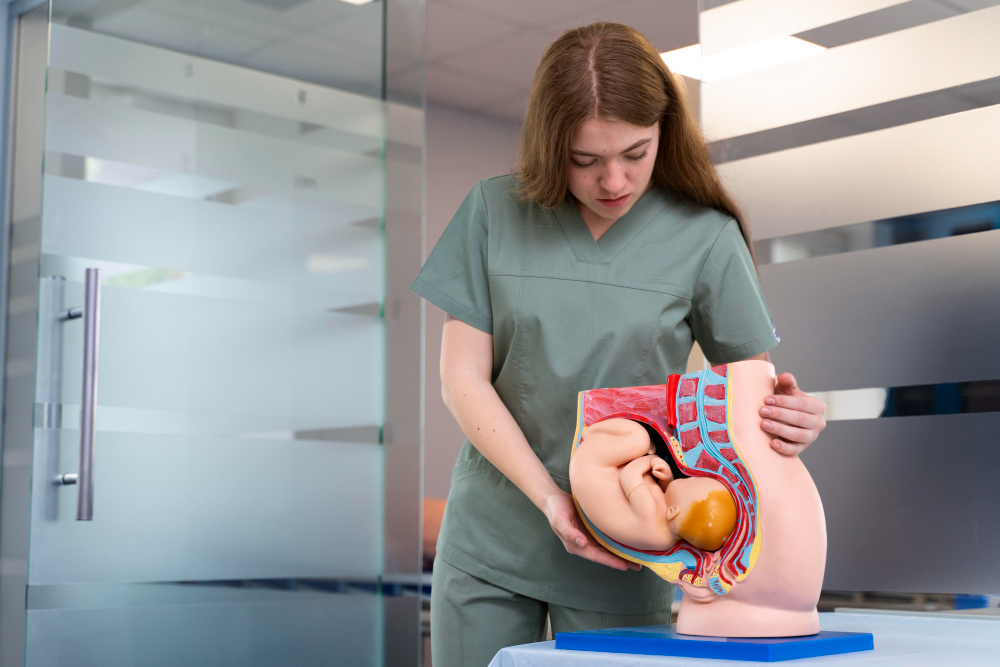
Placenta previa is a condition where the placenta sits low in the uterus. This can cause problems during pregnancy. For many women, learning about placenta previa can feel overwhelming. However, understanding placenta previa symptoms, diagnosis, and treatment can help you feel more prepared. In this blog, you will learn about the causes, risks, and ways to manage a low-lying placenta. Reliable sources like the World Health Organization (WHO) and the Centers for Disease Control and Prevention (CDC) guide this information.
What Is Placenta Previa?
Placenta previa happens when the placenta covers part or all of the cervix. The cervix is the opening to the birth canal. Usually, the placenta grows higher up in the uterus. However, in placenta previa, it stays low. As a result, this can block the baby’s way out during birth. There are different types of placenta previa. For example, some women have complete coverage, while others have only partial coverage. Both types can cause problems, especially during labor.
Common Symptoms of Placenta Previa
Placenta previa symptoms often appear in the second half of pregnancy. Most women notice painless vaginal bleeding. However, not everyone will have the same experience. Some women may not have any symptoms at all. Still, it is important to watch for warning signs. If you notice any of the following, contact your doctor right away:
Sometimes, bleeding can be heavy. In rare cases, it can lead to shock or other serious problems. Therefore, always seek medical help if you have bleeding during pregnancy.
Causes and Risk Factors
Doctors are not always sure why placenta previa happens. However, certain factors can increase your risk. For instance, women who have had previous pregnancies are more likely to have placenta previa. Other risk factors include:
Additionally, some studies suggest that women who use certain fertility treatments may have a higher risk. Understanding these risks can help you and your doctor watch for early signs.
How Placenta Previa Is Diagnosed
Doctors use ultrasound to diagnose placenta previa. This test uses sound waves to create pictures of your uterus. Usually, placenta previa diagnosis happens during a routine mid-pregnancy scan. If your doctor suspects placenta previa, you may need extra ultrasounds. Sometimes, a transvaginal ultrasound gives a clearer view. In rare cases, your doctor may use other imaging tests. However, ultrasound is the safest and most common method. Early diagnosis helps doctors plan the safest care for you and your baby.
Treatment Options for Placenta Previa
Treatment for placenta previa depends on your symptoms and how far along you are. For many women, doctors recommend rest and close monitoring. If you have mild bleeding, you may need to stay in the hospital for a short time. In some cases, doctors suggest avoiding sex or heavy exercise. If bleeding is heavy or does not stop, you may need to deliver your baby early. Often, a cesarean section is the safest way to deliver when placenta previa blocks the cervix. According to the CDC, most women with placenta previa have healthy babies with the right care.
Lifestyle Tips and Precautions
Living with placenta previa can be stressful. However, there are steps you can take to lower your risks. For example, you can:
Additionally, keeping in touch with your healthcare team helps you stay safe. They can answer questions and adjust your care as needed.
Preventing Placenta Previa: What You Need to Know
While you cannot always prevent placenta previa, some steps may lower your risk. For instance, avoiding smoking during pregnancy can help. If you have had a previous C-section or uterine surgery, let your doctor know. Early prenatal care is important for spotting problems early. According to the WHO, regular checkups and healthy habits support a safer pregnancy. Although placenta previa can be scary, most women have good outcomes with the right care.