
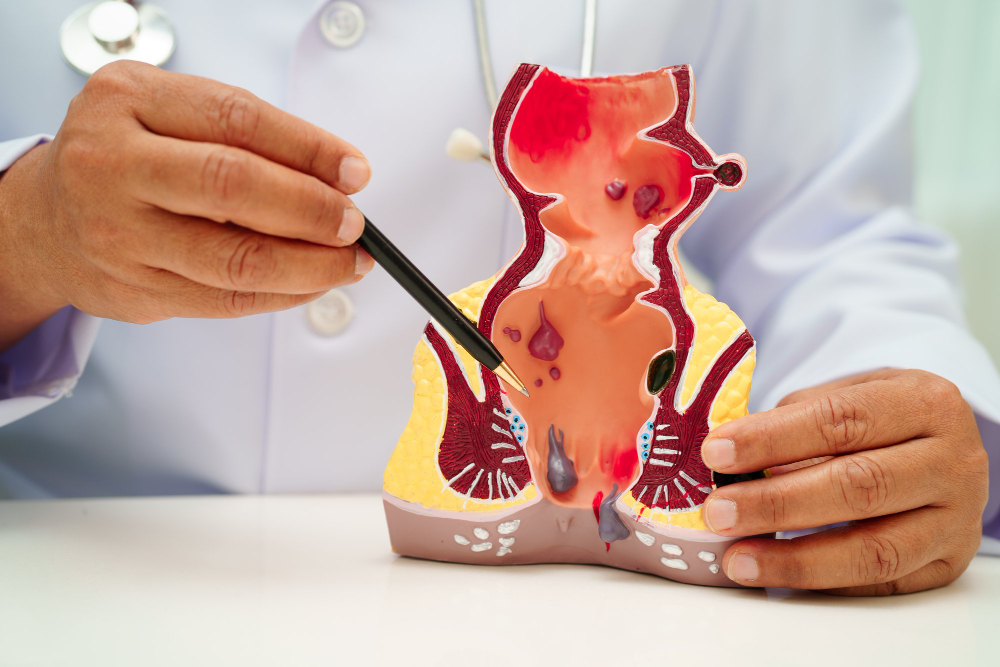
What Is an Anal Fissure?
An anal fissure is a small tear or cut in the thin tissue lining the anus. This area is where stool leaves your body. Because the tissue is delicate, it can break easily. Anal fissures are common and can affect people of any age. Often, they cause pain during bowel movements. According to health experts, most fissures heal with simple care. However, some may last longer and need treatment.
Common Symptoms of Anal Fissures
Anal fissure symptoms can be uncomfortable. For example, many people notice pain during bowel movements. Other signs may also appear. These include:
Sometimes, pain can last for hours after a bowel movement. But not everyone will have all these symptoms.
Why Does Pain Occur During Bowel Movements?
Pain during bowel movements happens because the tear exposes sensitive nerves. When stool passes over the fissure, it stretches or irritates the area. As a result, sharp pain can occur. In addition, the muscle around the anus (called the sphincter) may spasm. This tightness can make the pain worse. Sometimes, the spasm also slows healing. Because the area is delicate, even soft stool can cause discomfort.
Causes and Risk Factors
Several things can cause an anal fissure. Most often, it happens when passing hard or large stools. However, other causes and risk factors include:
Children and older adults may be more likely to get fissures. In addition, people with poor blood flow to the area may have a higher risk.
How Anal Fissures Are Diagnosed
Doctors can often diagnose an anal fissure by looking at the area. Usually, a simple exam is enough. Sometimes, your doctor may gently separate the buttocks to see the tear. If pain is severe, a numbing cream may be used first. In rare cases, further tests may be needed. For example, if the fissure does not heal or if other health problems are suspected, your doctor may suggest more exams. These might include a small scope to look inside the anus or tests for other diseases.
Treatment Options for Anal Fissures
Most anal fissure treatment starts with simple steps at home. For many people, these help the fissure heal within a few weeks. Common treatments include:
If the fissure does not heal, your doctor may suggest other treatments. These can include prescription creams, Botox injections, or minor surgery. Surgery is usually only needed for fissures that last a long time or keep coming back.
Tips for Prevention and Lifestyle Guidance
There are steps you can take to lower your risk of getting an anal fissure. For example, you can:
By making these changes, you can help prevent pain during bowel movements and support healing if you have an anal fissure.