
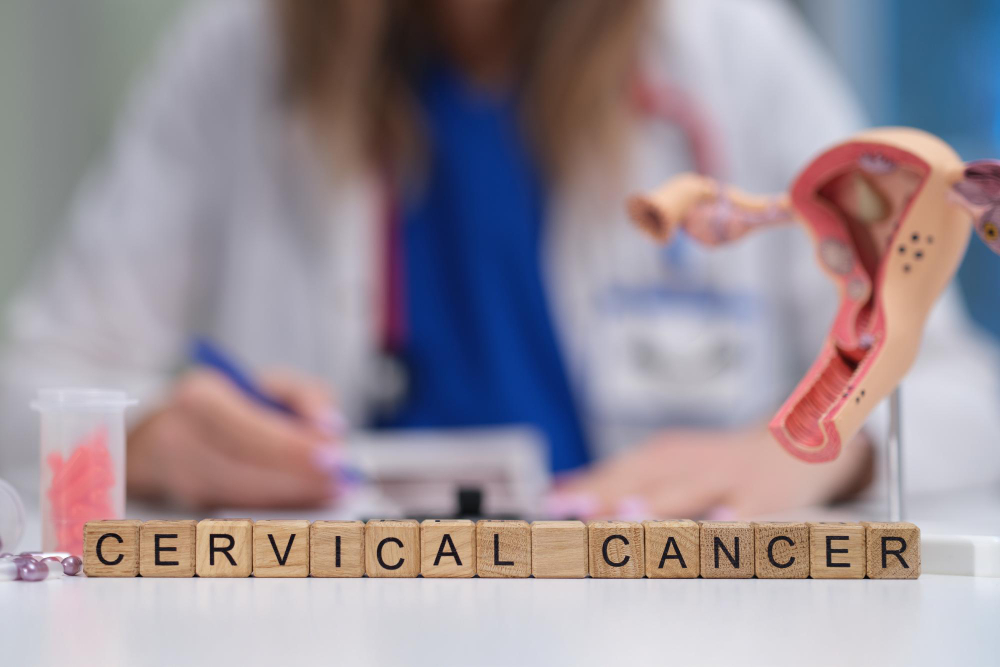
What Is Cervical Cancer Screening?
Cervical cancer screening checks for early signs of cancer in the cervix. The cervix is the lower part of the uterus. Screening helps find changes before they become cancer. Most often, doctors use a Pap smear or an HPV test. Both tests are simple and quick.
Why Is Cervical Cancer Screening Important?
Screening for cervical cancer can catch problems early. Early treatment works better and can prevent cancer. For example, a Pap smear can find abnormal cells before they turn into cancer. The World Health Organization says regular screening lowers the risk of dying from cervical cancer. In addition, screening can give peace of mind. Many women feel less worried after a normal test result.
When Should You Start Cervical Cancer Screening?
Most experts, including the CDC, recommend starting cervical cancer screening at age 21. Even if you feel healthy, you should not skip your first test. However, if you have certain health problems, your doctor may suggest starting earlier. For example, women with HIV or a weak immune system may need to begin screening sooner. Always talk to your doctor about the best time for your first test.
How Often Should You Get Screened?
How often you need cervical cancer screening depends on your age and health. For most women:
However, if you have had abnormal results or certain health risks, you may need tests more often. Always ask your doctor about the right Pap smear frequency for you.
Types of Cervical Cancer Screening Tests
There are two main tests for cervical cancer screening:
Sometimes, doctors use both tests together. This is called co-testing. Each test is quick and usually painless. Your doctor will help you choose the best test for your age and health.
What to Expect During Screening
During a cervical cancer screening, you will lie on an exam table. The doctor gently inserts a small tool called a speculum into your vagina. This helps them see the cervix. Next, they use a soft brush or spatula to collect cells from the cervix. The process takes only a few minutes. Most women feel mild discomfort, but not pain. After the test, you can return to normal activities right away. If you have questions or feel nervous, let your doctor know before the test.
Reducing Your Risk: Lifestyle and Prevention Tips
Besides regular cervical cancer screening, you can lower your risk in other ways. For example, the HPV vaccine protects against the virus that causes most cervical cancers. Safe sex practices, such as using condoms, also help. In addition, quitting smoking lowers your risk. Smoking can make it harder for your body to fight HPV. Eating a healthy diet and staying active support your immune system. Finally, always keep up with your scheduled screenings. Early action is key to staying healthy.
Cervical cancer screening can help identify cervical changes early, often before symptoms appear. Regular screening, HPV vaccination, and appropriate follow-up can play an important role in prevention and early detection. The right screening schedule depends on your age, health history, and individual risk factors.
Stay proactive about your cervical health with timely screening and expert guidance.
Consult the women’s health team at LIGG Hospital to understand the right screening plan for you.