
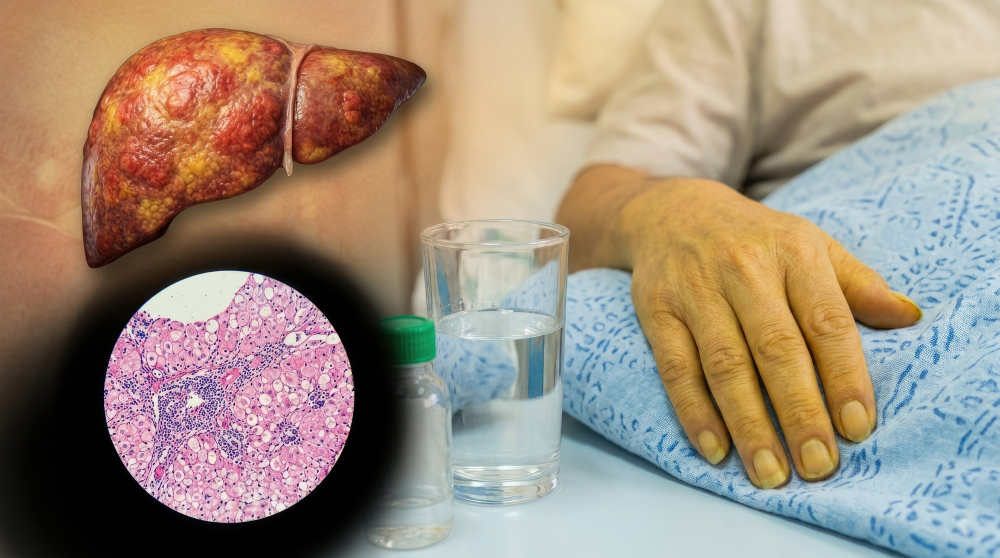
What Is Cirrhosis of Liver?
Cirrhosis of liver is a serious health condition. It happens when healthy liver tissue is replaced by scar tissue. As a result, the liver cannot work as well as it should. The liver is important for many body functions. For example, it helps filter toxins, stores energy, and makes proteins. When cirrhosis develops, these tasks become harder for the liver to do. In the United States, cirrhosis of liver is a leading cause of liver failure. Early detection is important, since treatment can slow down damage.
Common Causes of Cirrhosis
Many factors can lead to liver cirrhosis. Some causes are more common than others. However, not everyone with these risks will develop cirrhosis. Below are the main causes:
Because cirrhosis of liver can develop from many sources, knowing your risks is key.
Key Symptoms to Watch For
Often, early signs of liver cirrhosis are mild or go unnoticed. Still, some symptoms can show up as the disease gets worse. It is important to watch for these signs:
Because these liver cirrhosis symptoms can be caused by other problems, it is important to talk to a doctor if you notice them.
Stages of Cirrhosis
Cirrhosis of liver develops in stages. Each stage affects the liver differently. Understanding these stages can help with early treatment:
As cirrhosis progresses, the risk of liver failure or cancer increases. Therefore, early care is important.
Diagnosis Methods
Doctors use several methods to diagnose cirrhosis of liver. Early diagnosis can improve outcomes. Common tests include:
Sometimes, doctors use special scans to measure liver stiffness. This helps find out how much scarring is present.
Treatment Options
Treatment for cirrhosis of liver depends on the cause and stage. While cirrhosis cannot be cured, treatment can slow its progress. Options include:
Because treatment for cirrhosis of liver is complex, regular doctor visits are important.
Lifestyle Tips and Prevention
Although not all cases can be prevented, healthy habits lower the risk of cirrhosis of liver. Consider these tips:
For Liver cirrhosis treatment consult experts at LIGG Hospital