
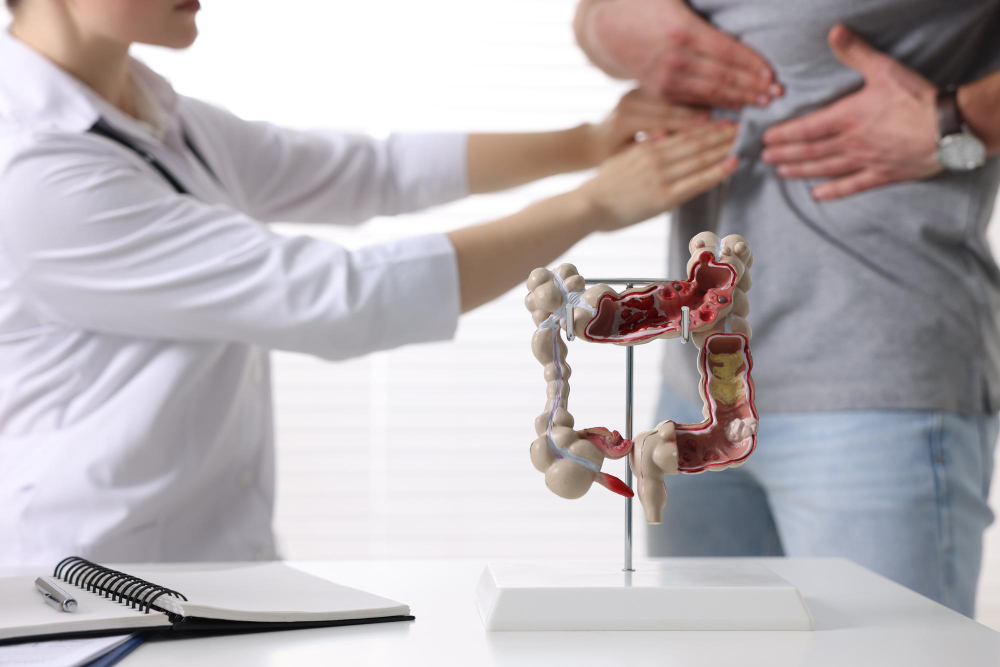
What Is a Colonoscopy?
A colonoscopy procedure is a test that lets doctors look inside your colon. The colon is the last part of your digestive system. During this test, a doctor uses a thin, flexible tube with a camera. This tube goes into your rectum and moves through your colon. The camera sends pictures to a screen, so the doctor can see any problems. Because it is safe and effective, colonoscopy is often used for colon cancer screening and to check for other colon diseases.
Why Is Colonoscopy Important for Early Detection of Colon Diseases?
Early detection of colon diseases can save lives. Colon cancer often starts as small growths called polyps. These polyps may not cause symptoms at first. However, if found early, doctors can remove them before they turn into cancer. According to the CDC, colonoscopy is the best way to find and remove polyps early. As a result, it lowers your risk of colon cancer. In addition, colonoscopy can find other problems, such as inflammation or bleeding, before they become serious.
Common Colon Diseases Detected by Colonoscopy
Colonoscopy helps find many colon diseases, including:
Because colonoscopy can spot these problems early, treatment can start sooner.
Who Should Get a Colonoscopy and When?
Most people should have their first colonoscopy at age 45, according to the CDC. However, some people may need it sooner. For example, you may need earlier screening if you have:
After your first test, your doctor will tell you when to have your next one. Usually, it is every 10 years if results are normal. But, if you have risk factors, you may need it more often.
How to Prepare for a Colonoscopy
Proper preparation helps your doctor see your colon clearly. Here are some key steps:
Because everyone’s needs are different, always check with your doctor for special instructions.
What to Expect During and After the Procedure
During the colonoscopy procedure, you will lie on your side. You will get medicine to help you relax or sleep. The doctor will gently insert the tube into your rectum. Most people do not feel pain, but you may feel some pressure or cramping. The test usually takes 30 to 60 minutes. After the procedure, you will rest until the medicine wears off. You may feel bloated or pass gas, but this is normal. Because the medicine can make you sleepy, you should not drive or make important decisions for the rest of the day.
Benefits and Risks of Colonoscopy
Colonoscopy has many benefits:
However, as with any medical test, there are some risks. These include:
Although these risks are rare, your doctor will talk with you about them before the test.
Tips for Maintaining Colon Health and Prevention
Taking care of your colon can help prevent disease. Here are some tips:
Because healthy habits make a big difference, start small and build up over time.
Conclusion
If you have questions about colonoscopy or want to know if you need screening, LIGG Hospital is here to help. Schedule a consultation today to discuss your colon health and get personalized advice.