
What is a Colonoscopy?
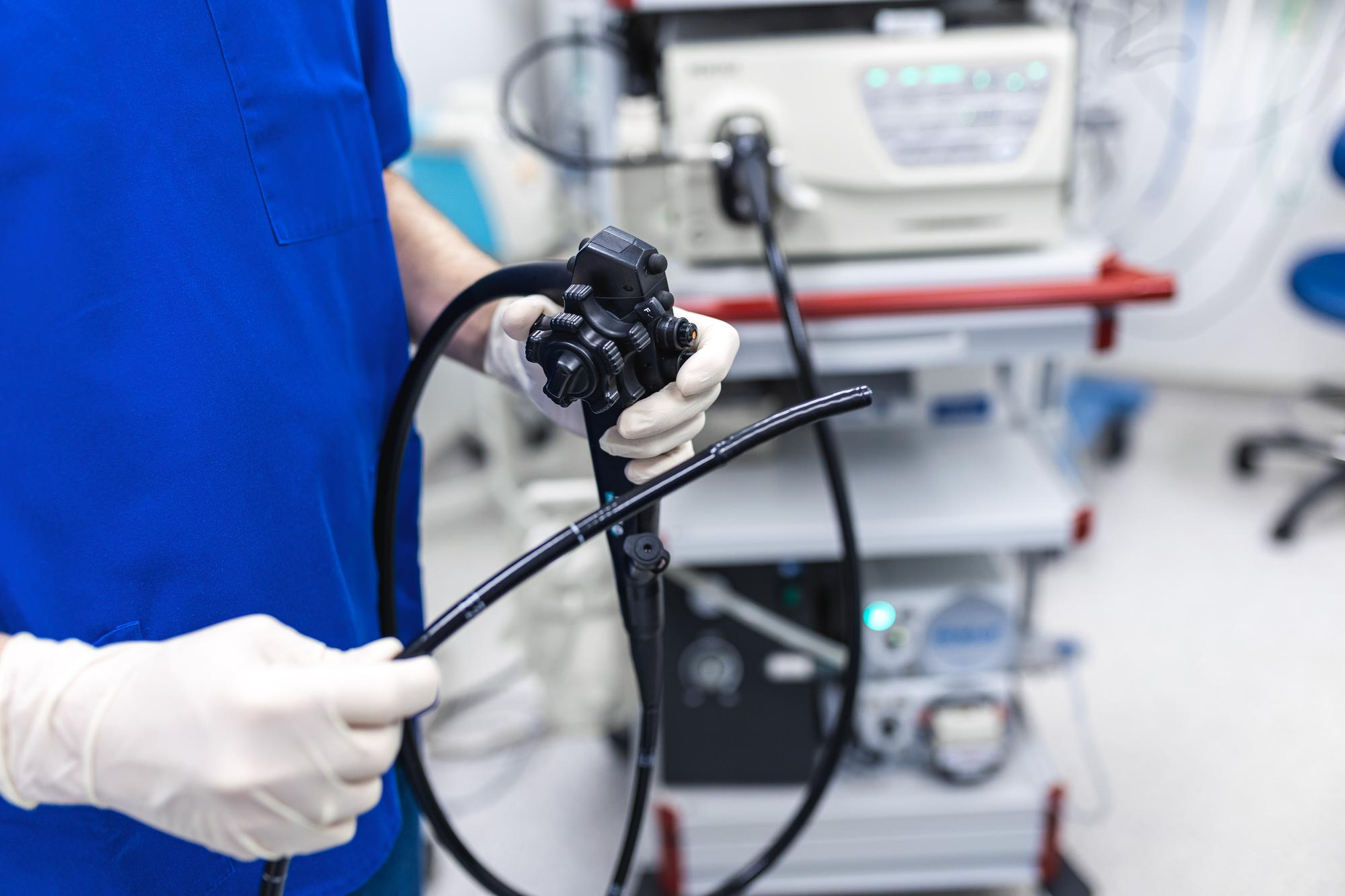
A colonoscopy is a test that lets doctors look inside your large intestine, also called the colon. During this test, a thin, flexible tube with a camera is gently passed through your rectum. This helps doctors check for problems like growths, swelling, or bleeding. Colonoscopy is a safe and common way to find early signs of colon cancer or other bowel issues. According to the CDC, regular colonoscopies can help prevent colon cancer.
Why is Colonoscopy Important?
Colonoscopy is important because it can find problems early. Early detection means treatment can start sooner. For example, doctors can remove small growths called polyps before they turn into cancer. In addition, colonoscopy helps explain symptoms like pain or bleeding. Most importantly, it can save lives by catching colon cancer early.
Symptoms and Reasons for Colonoscopy
Doctors may suggest a colonoscopy for several reasons. You might need one if you have:
Sometimes, colonoscopy is used to check for other bowel diseases, like Crohn’s disease or ulcerative colitis.
How to Prepare for a Colonoscopy
Proper colonoscopy preparation is key for a clear view during the test. Your doctor will give you detailed instructions. Usually, you will need to:
Because the preparation can be uncomfortable, it helps to plan ahead. For instance, stay near a bathroom and drink the solution as directed. If you have questions, ask your doctor before you start.
The Colonoscopy Procedure: Step-by-Step
Many people wonder what happens during a colonoscopy. Here is a simple step-by-step guide:
After the test, you rest until the medicine wears off. Most people do not remember the procedure.
Recovery and Aftercare
Colonoscopy recovery is usually quick. However, you may feel sleepy or have mild cramps. Here is what to expect after your test:
If you notice heavy bleeding, severe pain, or fever, call your doctor right away.
Risks and Safety Information
Colonoscopy is safe for most people. Still, like any test, it has some risks. These include:
Most problems are rare and can be treated quickly. The benefits of finding problems early are much greater than the risks. The World Health Organization and CDC both support colonoscopy for colon cancer screening.
Tips for a Smooth Experience
To make your colonoscopy easier, try these tips:
Remember, good preparation leads to better results.
Frequently Asked Questions
For personalized advice about colonoscopy, consult a gastroenterologist at LIGG Hospital.