
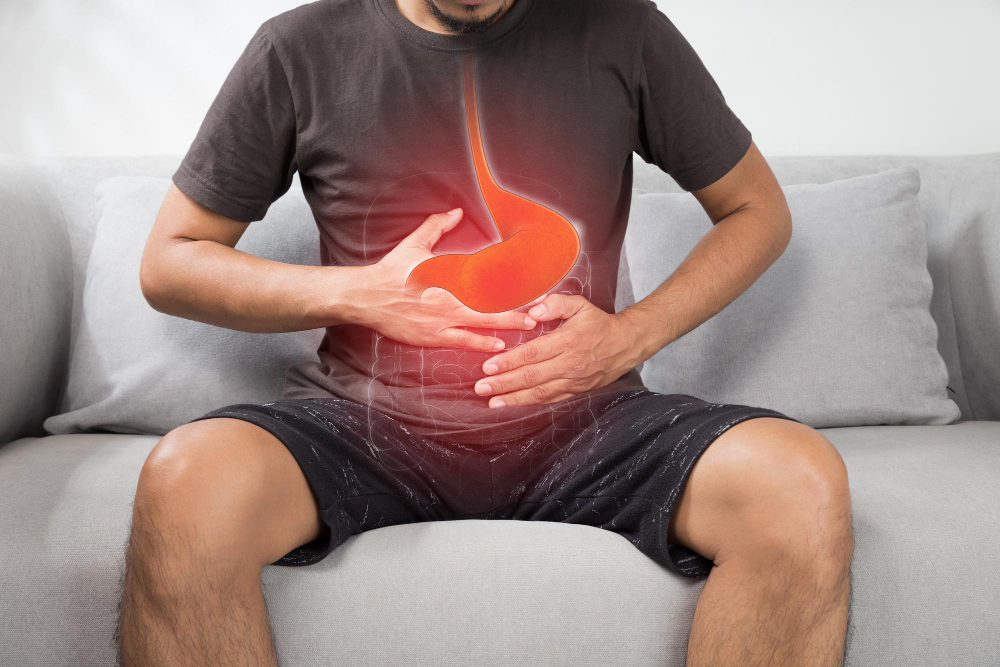
What Is a Peptic Ulcer?
A peptic ulcer is a sore that forms in the lining of your stomach or the upper part of your small intestine. Usually, this happens when stomach acid damages the lining. As a result, you may feel pain or discomfort. Peptic ulcers are common and can affect people of all ages. However, they are treatable with the right care. According to the World Health Organization (WHO), millions of people worldwide experience peptic ulcers each year.
Common Symptoms of Peptic Ulcer
Recognizing peptic ulcer symptoms early can help you seek treatment quickly. While symptoms may vary, some are more common than others. For example, many people notice pain in the upper belly. But, some may not have any symptoms at all. Watch for these signs:
If you notice severe pain, vomiting blood, or black stools, seek medical help right away. These could be signs of a serious problem.
Main Causes and Risk Factors
Peptic ulcers often develop due to certain causes and risk factors. The two main causes are:
However, other factors can increase your risk. For instance, smoking and drinking alcohol can make ulcers worse. Stress and spicy foods do not cause ulcers, but they may make symptoms worse. Additional risk factors include:
Diagnosis Methods
Doctors use several methods to diagnose a peptic ulcer. First, your doctor will ask about your symptoms and medical history. Next, they may suggest tests, such as:
Early diagnosis can help prevent complications. Therefore, talk to your doctor if you have ongoing stomach pain or other symptoms.
Treatment Options for Peptic Ulcer
Treating a peptic ulcer depends on its cause. Most ulcers heal with medicine and lifestyle changes. Common treatments include:
In rare cases, surgery may be needed if the ulcer does not heal or causes bleeding. Always follow your doctor’s advice for the best results.
Lifestyle and Dietary Guidance
Healthy habits can support peptic ulcer treatment and help prevent new ulcers. For example, you can:
Additionally, drinking enough water and eating a balanced diet can help your body heal faster.
How to Prevent Peptic Ulcers
While not all ulcers can be prevented, you can lower your risk with simple steps. For instance, you should:
Because prevention is easier than treatment, these habits can protect your stomach health.
Summary
In summary, peptic ulcers are common but treatable. Early recognition of symptoms and proper care can help you heal faster. If you have ongoing stomach pain or other signs, do not wait. Consult a gastroenterologist at LIGG Hospital for personalized advice on peptic ulcer management.