
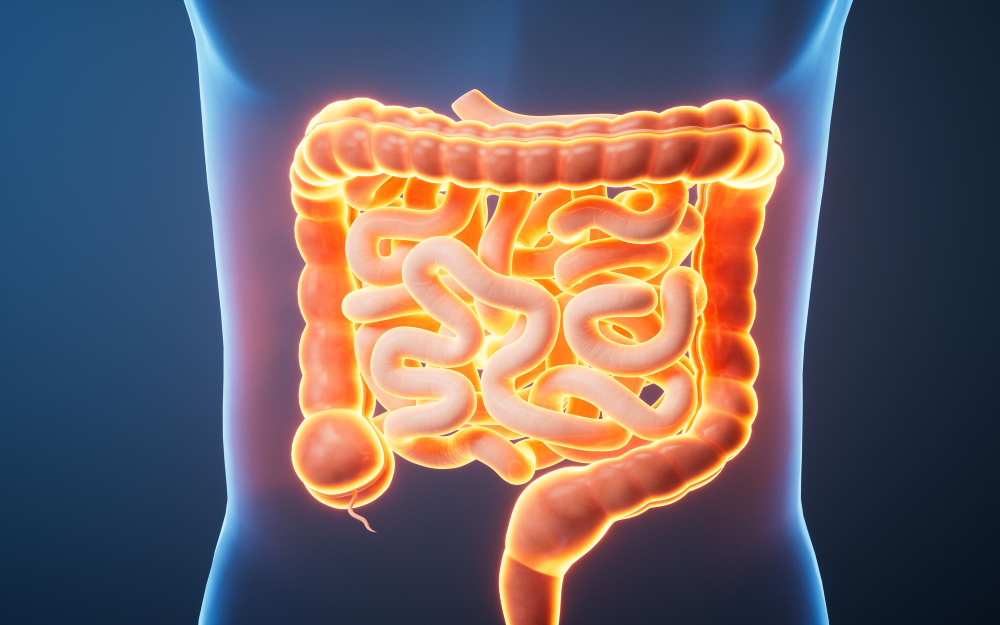
What Is the Gut-Hormone Connection?
The gut-hormone connection is a growing topic in health. Your digestive system and hormones work closely together. In fact, your gut makes and controls many hormones. These hormones affect how your body works every day. For example, they help control hunger, mood, and energy. Because of this, gut hormones and health are linked. When your gut is healthy, your hormones are more likely to stay balanced. However, if your gut is not healthy, your hormones may get out of balance.
Key Gut Hormones and Their Roles
Several hormones come from your gut. Each one has a special job. Here are some important gut hormones and what they do:
- Ghrelin: This hormone makes you feel hungry. It tells your brain when it is time to eat.
- Leptin: This hormone helps you feel full. It tells your brain to stop eating.
- Insulin: This hormone helps control blood sugar. It also affects how your body stores fat.
- Serotonin: About 90% of this mood hormone is made in your gut. It helps control mood, sleep, and digestion.
- Peptide YY and GLP-1: These hormones help slow down digestion. They also help you feel full after eating.
Because these hormones are so important, a healthy gut supports your whole body.
How Gut Health Affects Hormonal Balance
Your gut health affects hormones in many ways. First, a healthy gut helps make the right amount of hormones. Second, it helps your body use these hormones well. For example, good gut bacteria help break down food and make vitamins. These vitamins help your body make hormones. On the other hand, if your gut is not healthy, it can cause problems. For instance, bad bacteria or inflammation can upset hormone levels. This can lead to issues like mood swings, weight gain, or tiredness. In short, the digestive system and hormones are deeply linked.
Symptoms of Gut-Hormone Imbalance
Sometimes, your body gives signs when the gut-hormone connection is off. Watch for these symptoms:
- Frequent stomach pain or bloating
- Sudden weight gain or loss
- Changes in appetite
- Feeling tired often
- Mood changes, like sadness or anxiety
- Problems with sleep
- Irregular periods (for women)
Because these symptoms can have many causes, it is important to talk to a doctor.
Diagnosis and Medical Evaluation
If you have symptoms, a doctor can help find the cause. First, they may ask about your health history. Next, they may do a physical exam. Sometimes, they order blood or stool tests. These tests check for hormone levels and gut health. In some cases, you may need more tests, like an ultrasound or endoscopy. Early diagnosis helps you get the right treatment. According to the World Health Organization (WHO), regular check-ups are key for good health.
Treatment and Lifestyle Tips for a Healthy Gut-Hormone Balance
There are many ways to support the gut-hormone connection. Here are some helpful tips:
- Eat a balanced diet with fruits, vegetables, and whole grains
- Include foods rich in fiber and probiotics, like yogurt
- Drink plenty of water every day
- Exercise regularly, even simple walks help
- Get enough sleep each night
- Manage stress with deep breathing or meditation
- Avoid too much sugar and processed foods
- Take medicines only as your doctor prescribes
Because every person is different, talk to your doctor before making big changes.
Prevention: Steps to Support Gut and Hormonal Health
Preventing problems is always better than treating them. To keep your gut and hormones healthy, try these steps:
- Wash your hands before eating
- Eat slowly and chew your food well
- Stay active most days of the week
- Limit alcohol and avoid smoking
- See your doctor for regular check-ups
With these habits, you can help your digestive system and hormones work well together.
Consult a gastroenterologist or hormone specialist at Life Institute of Gastroenterology and Gynaecology for personalized advice on your gut and hormonal health.
Schedule a personalized consultation at LIGG Hospital. CLICK HERE